







FOR IMMEDIATE RELEASE:
March 3, 2026 | 3:30 p.m. | Windsor-Essex County
This afternoon, local partners with the Windsor Essex Community Opioid and Substance Strategy (WECOSS) met urgently to respond to a recent rise in opioid overdoses in Windsor and Essex County.
Across Ontario, the overdose crisis is being driven by an increasingly toxic and unpredictable drug supply. Recent provincial and national data show a growing mix of strong and dangerous substances, including synthetic opioids, benzodiazepines, tranquilizers, and other contaminants that raise the risk of overdose. Drug checking services in large cities (such as Toronto) continue to find highly contaminated fentanyl, often mixed with veterinary tranquilizers like medetomidine and xylazine, as well as other depressants. The Office of the Chief Coroner for Ontario recently reported 224 suspected drug-related deaths in January 2026.
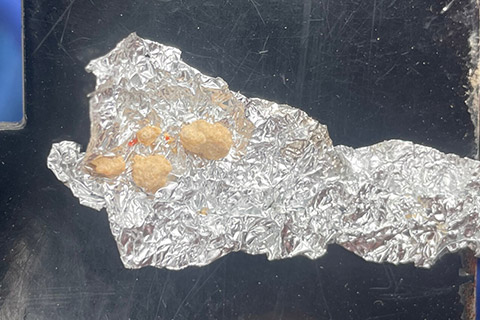
Between February 22 and February 28, 2026, the health unit’s Opioid and Substance Use Notification System (OSUNS) flagged a higher-than-usual number of opioid overdoses in the Windsor area. During that week, there were 19 opioid-related Emergency Department visits, 16 of which involved fentanyl. Emergency Medical Services (EMS) and local shelters also reported drastic increases in the number of overdose responses over the past several days. Community partners report that some of the current drug supply may include beige or brown fentanyl with a dry, chunky texture. People who used these substances reported hallucinations and a very heavy nod, which may mean the drugs contain other depressants or contaminants (see image).
Image provided by a community member shows a brown, dry texture thought to be a potent version of fentanyl.

Partners involved in WECOSS, including the Windsor-Essex County Health Unit (WECHU), hospital partners, EMS, police services, shelters, and treatment and harm reduction agencies are working together to understand what is driving these overdoses and to coordinate a strong response.
“Today’s emergency meeting brought together more than 32 community partners from multiple agencies. The fast and coordinated response demonstrate partners’ commitment to supporting people who use substances, their families, and service providers. Our partners are increasing access to naloxone and drug test strips, sharing up‑to‑date information about the drug supply, and working with hospitals and the WECHU to learn more about what substances are being used. By taking these steps together, we can respond more effectively and help protect the people at greatest risk.”
— Eric Nadalin, Director of Public Health Programs, WECHU, and Co-chair of WECOSS
“Today, WECOSS partners came together to understand why overdoses are rising and to act quickly. We are sharing information, supporting our shelter and outreach teams, and taking practical steps like getting more naloxone and drug test strips into the community. We’re also working with hospitals and emergency services to gather data, offering training and resources for frontline staff, and making sure people know where they can get support. By working together and staying connected with treatment, primary care, and social service providers we’re focused on doing everything we can to keep people safe.”
— Nicole Sbrocca, CEO, Canadian Mental Health Association – Windsor-Essex County Branch, and Co-chair of WECOSS
Community members are asked to report any information that may help explain the recent increases by contacting the Windsor-Essex County Health Unit or completing the Community Response Form: https://survey.wechu.org/index.php/982386?lang=en