Message from the Medical Officer of Health

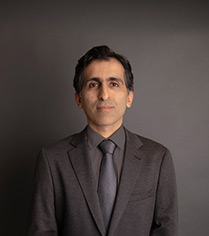
Dr. Mehdi Aloosh
Medical Officer of Health
In 2025, the Windsor-Essex County Health Unit (WECHU) continued to advance its mission to protect and promote health across our region through steady, largely behind-the-scenes work. Public health challenges are becoming increasingly complex and interconnected, requiring coordinated, evidence-informed responses that extend beyond traditional boundaries. This past year reinforced the importance of being prepared, adaptable, and proactive in a rapidly evolving environment.
Our response to the measles outbreak demonstrated this readiness in action. As one of the most contagious vaccine-preventable diseases, measles requires rapid assessment, timely follow-up, and clear communication. WECHU teams worked collaboratively across programs to support patients and contacts, provide guidance to schools and childcare settings, and ensure residents had access to credible, timely information. The use of innovative tools, such as wastewater surveillance, enhanced our situational awareness and supported our interventions.
A key factor in mitigating the outbreak was our sustained focus on routine immunization. Through implementation of the Immunization of School Pupils Act, we worked closely with school boards, administrators, families, and healthcare providers to verify records, close documentation gaps, and reduce barriers to vaccination. Expanding access to vaccines contributed to improved protection among school-aged children and reinforced the critical role of prevention. These efforts reflect the dedication of WECHU staff across all programs, including nurses, public health inspectors, epidemiology and data teams, communications staff, and operational support, as well as the strength of our community partnerships. I also want to acknowledge the many families who reviewed immunization records, attended clinics, and demonstrated a shared commitment to protecting those most vulnerable to severe illness.
At the same time, significant and persistent challenges continue to shape the health of our community. Food insecurity is increasing, with rising costs placing growing pressure on households and contributing to poorer health outcomes. The ongoing impact of toxic substances, including alcohol and opioids, continues to result in preventable illness, injury, and death, underscoring the need for sustained, coordinated, and evidence-informed action.
These challenges are not occurring in isolation. Emerging trends, particularly among youth, highlight broader systemic influences on health. Rising rates of vaping reflect how marketing strategies, product design, and accessibility can shape behaviours and normalize health risks at an early age. More broadly, industries associated with tobacco and nicotine products, ultra-processed foods, and digital and social media platforms are increasingly influencing the environments in which people live, learn, and make decisions. Supporting healthier communities requires not only individual-level interventions, but also strong public education, effective policy development, and sustained advocacy to reduce exposure to harm and create conditions where healthier choices are more accessible for all.
Looking ahead, the WECHU will continue to invest in prevention, strengthen timely information-sharing, and support accessible immunization services across the lifespan, while addressing both emerging risks and longstanding challenges. The experiences of this past year reaffirm a core public health principle: acting early, working together, and keeping prevention at the centre of our efforts are essential to reducing risk and building resilient communities.
Dr. Mehdi Aloosh, MD, MSc, CCFP, FRCPC
Medical Officer of Health
Windsor-Essex County Health Unit